
Nature's Muse: Creative Tips for Young Writers
- ursulaak
- Jul 8
- 3 min read

Writing can sometimes feel like a challenge when ideas run dry. For young writers, the outdoors offers a rich source of inspiration that can spark creativity and bring stories to life. Nature provides endless scenes, sounds, and sensations that can fuel imagination and help writers develop unique voices. This guide shares practical tips to help young writers tap into the natural world and turn it into a powerful creative tool.
Discovering Stories in the Details of Nature
Nature is full of small details that often go unnoticed but can become the heart of a story. Instead of looking for grand scenes, focus on the little things:
Observe textures like the rough bark of a tree or the smooth surface of a pebble.
Listen to sounds such as birdsong, rustling leaves, or flowing water.
Notice colors and shapes in flowers, clouds, or shadows.
Try carrying a small notebook or voice recorder during walks. Jot down or record anything that catches your attention. These details can become vivid descriptions or symbols in your writing. For example, a cracked leaf might inspire a story about resilience, or the pattern of a spider’s web could lead to a tale about connection.
Using Nature to Build Characters and Settings
Characters and settings are the backbone of any story. Nature can help shape both by providing inspiration for personality traits and environments.
Imagine a character who moves as quietly as a fox or has a temper like a thunderstorm.
Create settings based on real places you visit, adding sensory details to make them feel alive.
Use the changing seasons to reflect a character’s emotions or the story’s mood.
For instance, a story set in a dense forest can feel mysterious and full of secrets, while a sunny meadow might suggest peace and happiness. By linking characters and settings to natural elements, your writing gains depth and authenticity.
Writing Exercises Inspired by the Outdoors
Practicing writing outdoors can break the routine and open new creative paths. Here are some exercises to try:
Nature Journaling: Spend 15 minutes outside writing everything you see, hear, and feel. Focus on sensory details.
Personification Practice: Choose a natural object like a river or a tree and write a short story or poem giving it human qualities.
Dialogue with Nature: Imagine a conversation between yourself and an animal or a natural element. Write the dialogue.
Setting Sketch: Describe a place in nature without naming it. Let readers guess where it is based on your description.
These exercises encourage observation and creativity, helping young writers build confidence and find their unique style.
Overcoming Writer’s Block with Nature Walks
When stuck on a story, stepping outside can clear the mind and refresh ideas. Nature walks offer a change of scenery and a chance to relax, which often leads to new insights.
Leave your phone behind or turn it off to avoid distractions.
Walk slowly and pay attention to your surroundings.
Let your mind wander and notice what thoughts or images come up.
Many writers find that after a walk, they return to their work with fresh energy and new ideas. Even a short 10-minute stroll can make a difference.
Using Nature to Develop Themes and Messages
Nature can also inspire the themes and messages in your writing. Think about what natural elements mean to you and how they relate to your story’s purpose.
A river might symbolize change or the passage of time.
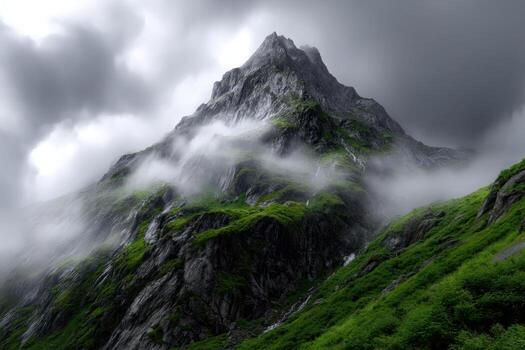
Mountains can represent challenges or strength.
A garden could stand for growth and renewal.
By connecting your story to these ideas, you create layers of meaning that resonate with readers. Reflect on your experiences in nature and how they relate to your own feelings or beliefs.
Tips for Making Nature Writing a Habit
To keep nature-inspired writing alive, try these habits:
Set a regular time each week to write outdoors.
Join a local nature club or writing group for support and inspiration.
Take photos or make sketches to capture scenes for later writing.
Read books and poems about nature to see how other writers use it.
Building a routine helps make nature a natural part of your creative process.


Comments